-
new piece for CoMA
I’ve just finished a new piece commissioned by James Weeks and CoMA for the CoMA Partsong Book. It’s the first time I’ve made a piece directly for CoMA, and am looking forward to hearing how it goes this year. It’s a group behaviour piece, and the title – constant interchange of the most various kinds – is drawn from A. G. Tansley’s 1935 definition of an ecosystem (the first use of the term). I’m starting to extend the use of group behaviours at the moment to create little ecosystems where the interaction is conditioned by both the interaction of people and the sonic…

-
lots to do, slowly
Daniil Pilchen and Alexey Zaitsev performed lots and lot for us to do at Sound Museum, St Petersburg on 24 July in what is one of the most extreme versions of the things to do pieces so far. Their very measured performance takes a totally different approach to the more frantic and pressured performances that have taken place so far, and I’m really pleased with the way it suggests other ways to play the pieces. Also for the first time – I think – the players have a different selection of available sounds. So here Alexey used 13 pitches and 13 recordings. Daniil used seven…

-
Darmstadt Aural Documents
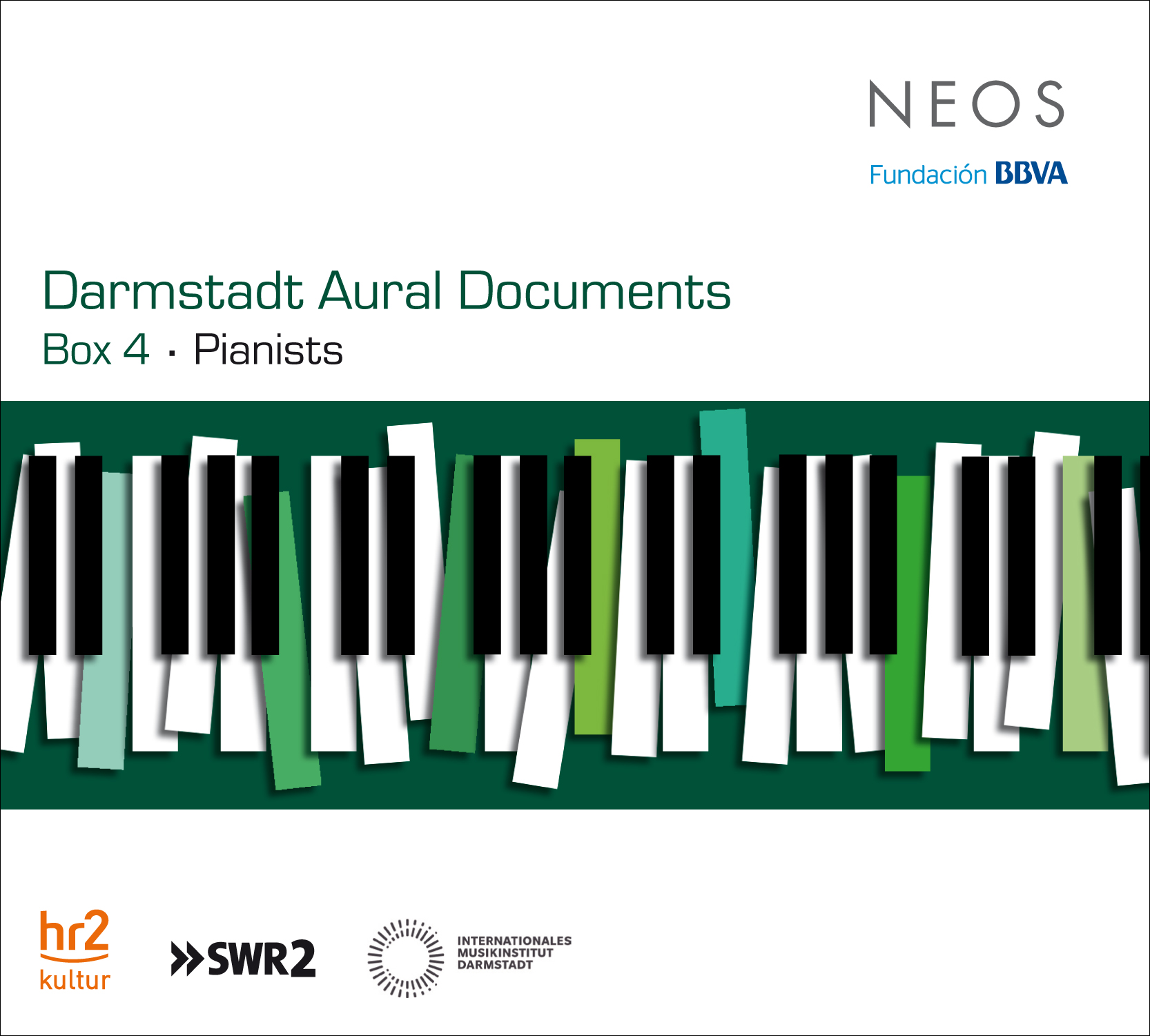
IMD and NEOS have just released the fourth edition of their Darmstadt Aural Documents series. Volume 4 focuses on music for piano performed at the Ferienkurse from the 1950s to the present, and includes my piece #070702 performed by Nic Hodges. The piece is for piano with ebows, and I slightly misjudged the need for Nick to have his feet on the pedals while playing inside the piano, creating a few balance issues. The full set includes piece by the following composers: Andre, Aperghis, Apostel, Baltakas, Barden, Barlow, Bartók, Boucourechliev, Boulez, Bussotti, Castiglioni, Clementi, Criton, Engelmann, Evangelisti, Febel, Ferneyhough, Ferrari, Flammer,…
-
new orchestra piece
I’m working on a new piece for BBC Scottish Symphony Orchestra at the moment for next year’s Tectonics festival in Glasgow, curated by Ilan Volkov. It will be played at the festival in May, and I’m currently thinking about ways to organise large groups of people. Most of the pieces I’ve made over the past four years have been for very small groups interacting through live decision-making, so I’m very excited about working on these processes with a much larger group. It will be my first opportunity to try this out after initial work on my other two orchestra pieces…

-

-
#40: Adam Bohman
<iframe width=”560″ height=”315″ src=”https://www.youtube.com/embed/G0JhaR1oPcM” frameborder=”0″ allowfullscreen></iframe> (2012) Adam Bohman

-

-

-

-
-

-
Parkinson Saunders in the studio
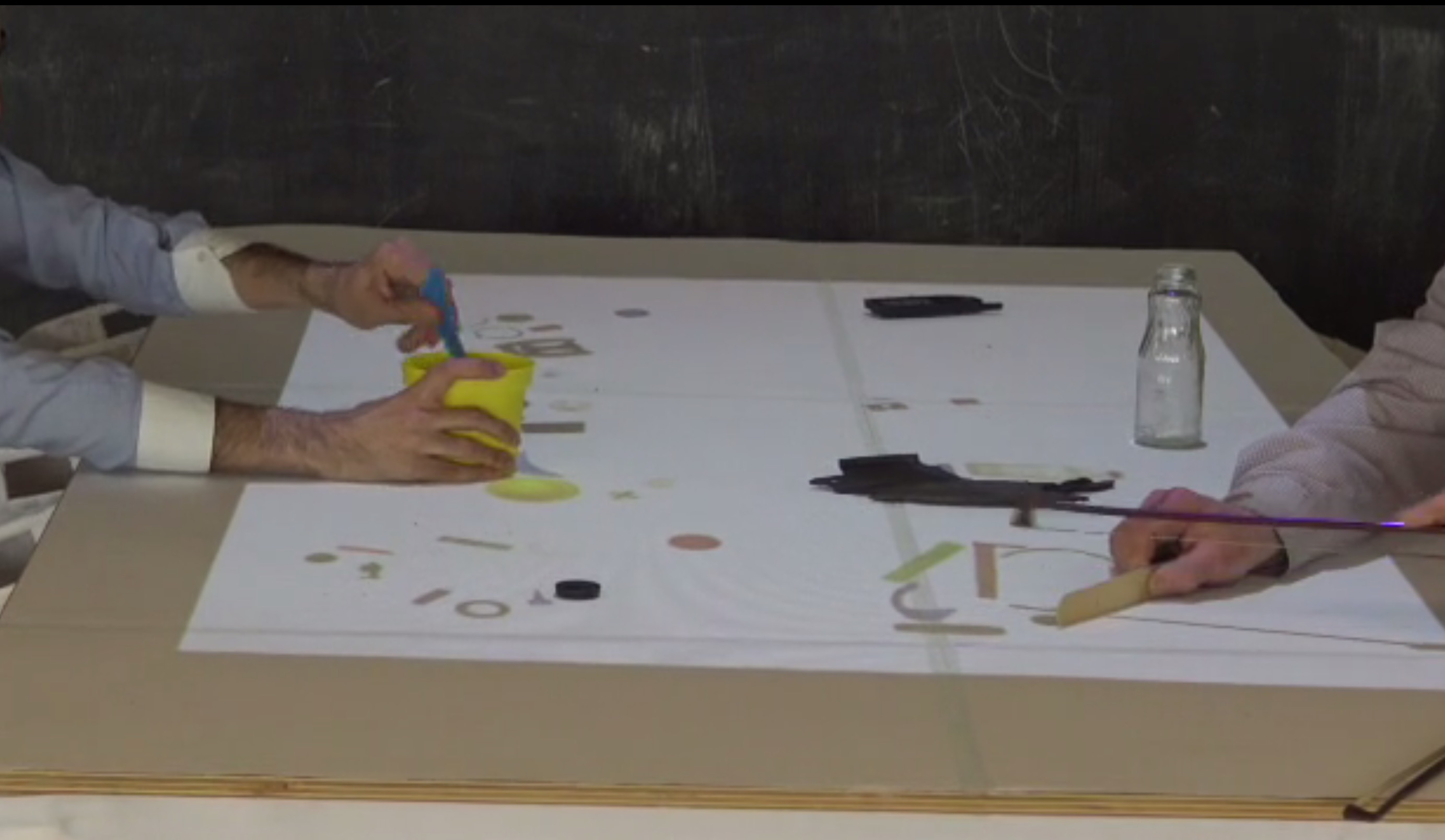
Well we survived our live radio experience on Drivetime Underground yesterday and had a lovely time with Neil and Joseph the engineer. It’s quite a tight space in the Resonance FM studio, and it’s the first time in a while we’ve crammed everything onto one table, but it just about fit. Quite a lot ended up on the floor though. The mystery feature was an excellent ‘What would Mark Knoop do?’ segment, which we eventually got the hang of. This is definitely a format to run again. The whole show is now available as a podcast at the Drivetime Underground…

-
phone off
I decided to stop using my phone so much. It’s got to the point where it’s probably accurate to say this is one of my principal daily activities. It is not good. About a year ago I deleted all the games and switched the internet off. It’s been good on the whole, but a couple of games reappeared (Scrabble, Real Racing) and Safari managed to find a way back. But recently I’ve become a little too dependent on the evil trio of email, internet and Twitter and need to do something more drastic. I’ve been exploring downgrading to a brick…

-
Parkinson Saunders on Resonance FM
This Saturday Tim and I are guests on Neil Luck’s Drivetime Underground show on Resonance FM. We’ll be playing some of Tim’s songs, and answering questions. I think. The lineup for the whole series is great, and I’m just about to listen to episodes one and two, which included Lore Lixenberg, Adam de la Cour, and Bastard Assignments. The highlight so far though has to be their adverts featuring Boycie from Only Fools and Horses wishing Pauline Oliveros a happy birthday and some guy from WWF calling Simon Rattle out with a piece of wood slung over his shoulder. I’m seriously…

-
no mapping
MusikTexte have just published my short statement on mapping in their latest issue. It is part of a group of texts requested by Jennifer Walshe that deal with physical, theatrical and visual elements in recent music. My text is a response to some recent work which maps data to pitch and duration (mostly), or visual images to sound (often via stave notation….) in an arbitrary way. Although sonification is a useful tool in the scientific domain – and I’m thinking of some recent work by Meg Schedel in this regard – it is so often presented in a confused way.…

-
Basel Parkinson Saunders
Tim and I are playing in Basel on Saturday 14 May at Christoph Schiller’s atelier concert series. Very excited to be doing Tim’s Opus 1 from Time with People again, as well as the pieces John White and Matteo Fargion wrote for use a couple of years ago. Alongside these pieces we’re doing Louis d’Heudieres’ excellent Laughter Studies – new recording for us ready next week all being well – and also my piece in which one thing depends on another. After watching other people wander casually out of airports I’m trying the hand luggage only option this time. I bought a new…

-
reassigned #1 performed at ddmmyy
Last week my new piece reassigned #1 was performed at the first ddmmyy series event in London, 210416|JS#r1|Ltpor/bot|TPsfm|JW/ajftggb|JSripcm2016|JFcm2 (and that seems to have messed up WordPress formatting). I was extremely disappointed not to be able to make it but logistics my end made it impossible. The performance sounds great though, and everyone did a very good job, really understanding the sounds. Luckily it was recorded, and I’ve posted the audio below. Thanks to Jack for organising it and to everyone who played in the performance. The performers were: Violin: Tim Crawford Viola: Tom Widdicombe Cello: Deni Teo Bowed Objects: Chloë Abbott, Peter…

-
giving better instructions
I’ve just been reading Jack Sheen’s interview with Jenny Walshe for ddmmyy and, amongst the many essential observations, I was struck by Jenny’s thoughts on text scores. Near the beginning of the interview she says I do think that a great deal of text scores don’t take advantage of the fact that they’re made out of text. You know, there are a lot of really subtle things that you can do with textual instruction that I think composers don’t take advantage of enough. If you read a great deal of contemporary text scores, they still read like they were written…

-
they are always different, they are always the same
On Friday my new piece they are always different, they are always the same was performed in Bagnolet, Paris, by children from Ecole Paul-Langevin directed by Thierry Madiot. The piece was commissioned by Lutherie Urbaine and Conservatoire de Musique Erik Satie as part of their ongoing work with local schools. It’s an amazing initiative: they work with the children on pieces that are not specifically written for educational contexts. All the pieces are regular ones written for adult musicians, with no compromise. This is such an exciting approach as the children were treated in exactly the same way, and they respond so…

-
interview in Tempo
Tempo have just published the extended remix of the interview I did with Dominic Lash recently. The original interview took place at Dom’s house in Bristol in May 2015 and was published on the another timbre website to coincide with the release of the recording of assigned #15. We picked up where we left off a month later at my house, and both interviews now appear together for the first time, with a few tweaks (but no drum machine). It’s 16 pages long, but there are some pictures. As Tempo is a journal the interview is not immediately available to read…

-
people making sounds in California
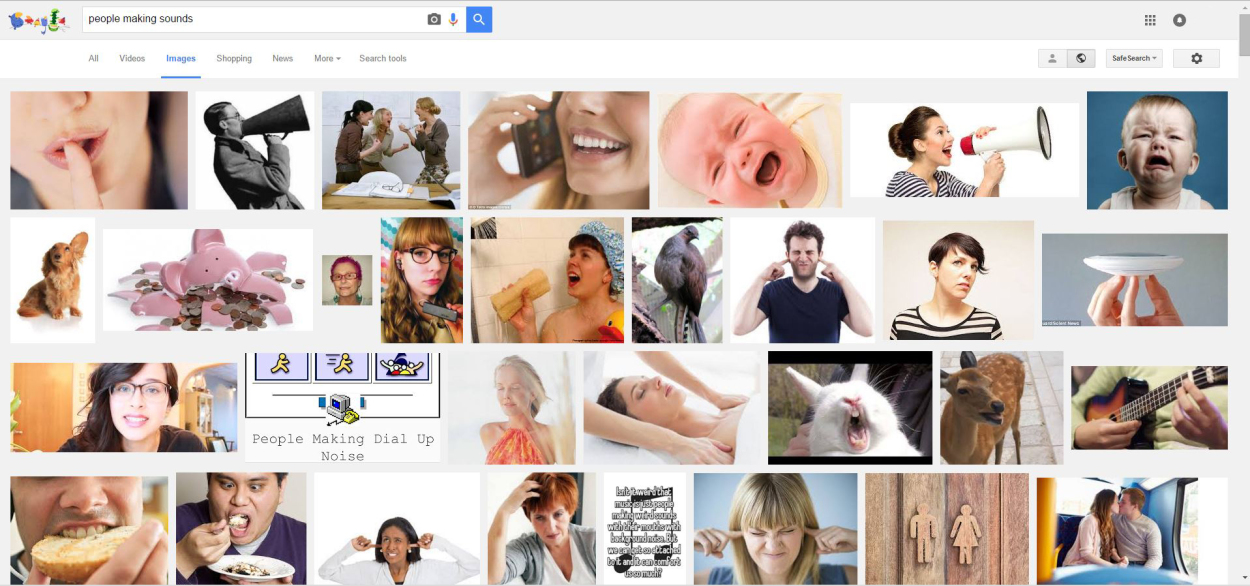
Charlie Sdraulig has just sent me the video of his duo with Weston Olencki, people making sounds, performing lots and lots for us to do a couple of times in February. The performances were at CCRMA at Stanford and Center for New Music in San Francisco. This is the second time the piece has been performed, and I particularly enjoyed the video of my performance with Manuel Zurria being used as one of the recordings. Perhaps this might become part of the performance practice for subsequent versions? CCRMA Stage, Stanford University, 06.02.16 | people making sounds (Weston Olencki + Charlie Sdraulig)…
-
#080401 / #300501 / #310501
#[unassigned] (#180700–#201201) by James Saunders One of the most satisfying aspects of working on #[unassigned] was the opportunity it gave me to work on new pieces for friends on a regular basis. The first of these was #080401 for Steve Altoft in his duo with Lee Ferguson, duo Contour. Steve and I studied together as undergrads in Huddersfield in the early 90s, and we shared a flat right through to the end of our postgrad courses. So I got to know his trumpet playing very well over this time. Steve formed duo Contour with Lee after they met at Darmstadt in 1998,…
-
#010401
#[unassigned] (#180700–#201201) by James Saunders #010401 was written for Andrew Sparling, Darragh Morgan and Anton Lukoszevieze for a performance organised by Tim Parkinson at Jackson’s Lane Community Theatre near Archway, just down the road from Mark Wastell’s shop Sound 323. I was commuting to London on weekends during the 2000-2001 academic year as my wife Becky was completing a postgrad in early music at the Royal College of Music. On the weekends–and sometimes weekdays–when I was in London I’d always try to visit Mark’s shop. It was the only place within easy reach for me to get CDs of improv and…
-
thinking about pitch again
I’ve kind of relegated pitch as a principal focus in my music for nearly 15 years. That’s not to say it is unimportant or irrelevant, just that I’ve had other things to concentrate on, whether that was timbre and texture in #[unassigned] or the relationship between people in my more recent pieces. Pitch was often a functional choice or reduced to a few variations, used as a medium to present other ideas. So register was often more significant than than the precise pitch that was played, or similarity and difference more important than a particular harmonic choice. But now I’m writing…

-
#180700 / #091200
#[unassigned] (#180700–#201201) by James Saunders #180700 was the first performed version of #[unassigned], although it was not given that title when it was played by Suono Mobile in Darmstadt on 18 July 2000. It emerged out of an approach to writing very short pieces which I had been exploring from 1996-2000, and was the last piece to be produced in that format, with the title Twelve pieces. #[unassigned] came about as a result of working with time structures to space short pieces in Scanning trees (1999) and Fingers barely touching (1999/2000) and flexible combinations of material in Compatibility hides itself…

-
#160301
#[unassigned] (#180700–#201201) by James Saunders / Mathew Adkins This is one of two collaborative versions of #[unassigned] I made with Monty Adkins, combining his work as an electronic composer with my acoustic material. We made this version for Huddersfield’s annual Electric Spring festival for cellist Anton Lukoszevieze and tuba player Melvyn Poore. The piece uses processed cello and tuba sounds which Monty worked into a series of short tracks. These were played alongside some of the existing cello modules from #051000, some new ones adapted from the violin work with Darragh Morgan and student cellist Brandon Walsh (in particular bowing the spike…

-
documenting #[unassigned]
I made a post over Christmas that begins to think think through the #[unassigned] project that I worked on from 2000-2009. I wanted to go back over my notebooks, sketches, scores and recordings to piece together how I made the different versions. So I started with #051000, which is the first proper version of #[unassigned] and wrote a little bit about how I made it. It’s mostly from memory and rereading what I wrote in my notes, and I think there are some pages I’ve missed that might be in a box in my garage somewhere. I’ve just continued with two…
![documenting #[unassigned]](https://www.james-saunders.com/wp-content/uploads/2016/03/folder.jpg)
-
#010201
#[unassigned] (#180700–#201201) by James Saunders One of the principles of #[unassigned] was that each performed version was somehow different. I wanted each configuration of modules to be unique, such that they all presented a different view of the system. I was interested in the relationship between individual versions and the unattainable metapiece which framed them and was articulated through them, but never heard. But there was a practical problem when performers played a few concerts as part of a tour for instance. This involved making multiple versions for the same instrumentation, or working in a way to make them different each…

-
#280101
After making the first two versions of #[unassigned] – #180700 (repeated as #091200) for Suono Mobile and #051000 for Apartment House – I began working on new versions that were requested for early 2001. The first of these was a solo piece for violinist Darragh Morgan. The previous two versions had been for small ensemble and duo with electronics, so a solo piece was a first opportunity to trial the system in a more exposed way. I had been exploring extended techniques as a basis for the material for the first time while working on this piece. Initially I made notes based…

-

-
interview for ddmmyy
Jack Sheen interviewed me on Monday in advance of the ddmmyy performance of a new piece, reassigned #1, in his series on 21 April. I was a little groggy with a cold, but it doesn’t [sniffs] come across in the text [splutters]. You can read the interview here

-
we gradually have more things to do and fewer things to say
Here is the final piece from Decontamination 6 at RNCM last week. Distractfold are joined by The House of Bedlam and RNCM Electric Experimental Ensemble for the first performance of we gradually have more things to do and fewer things to say. As Larry Goves noted, it’s a bit like bingo. Thanks to Larry and Mauricio Pauly for organising this and getting everything together.

-
all voices are heard (with pitches)
This is the video of the first performance of all voices are heard using pitches. I’ve copied the video of the original performance with word lists as a comparison. There are some striking differences in the way that the phrases coalesce.

-
in which one thing depends on another again
And here’s the performance by Rocío Bolaños and Linda Jankowska from Distractfold at Decontamination 6 at the RNCM on 8 March. More information in this post.

-
in which one thing depends on another
Here’s the video of Nicholas Peters and Ruben Zilberstein performing my new piece in which one thing depends on another for the first time at 840 in London last week. I’ve written about this and Distractfold’s version a couple of days later in this post.
-
bingo
This week I’ve had pieces played in a couple of concerts, firstly at 840 in London on Saturday, and then at RNCM on Tuesday. The performances gave me a chance to think about some of the variables in the work I’m making at the moment, especially in relation to their status as games and the way the pieces are paced. For the past year I’ve been thinking about the work I’m making explicitly from a games perspective. Previously the pieces have engaged performers in activities that are interactive, with competition and the possibility of influencing the actions of others. But…

-
pointing at things and naming them
I was talking to Paul Whitty on Monday and he commented that if people look back on some of the work being made at the moment they will think we have an obsession with isolating things, pointing at and naming them. He’s right: there are lots of pieces that do this very literally (see my playlist!), but more generally the sense of fragmentation of material and objects in order to present them as units within a larger structure is very apparent. I think in particular sounds in these situations become placeholders for other ideas. They might mark time or an action, signal a…

-
unassigned > assigned > reassigned
This feels a bit like mining the back catalogue, but I’ve just made the first piece in a new series that uses the old modules from #[unassigned]. In the original series the particular configurations were only performed once, like bespoke compositions, and then after concluding that project I made some of those versions available as assigned, and some of them have had a few performances. The new series takes the modules and does something different with them, repurposing them to an extent, and is called reassigned. The new piece is for string trio and an ensemble of bowed resonant objects. I’ve picked mostly…

-
word sound
Raphael Smarzoch has just made a programme for SWR2 Now Music on verbal notation to which I contributed. It includes lots of scores – interesting to hear them read out loud – and excerpts from realisations. I’m one of the commentators, along with Joseph Kudirka, Nomi Epstein, Pauline Oliveros and Ross Parfitt, and there’s a short section where I talk about my things to do series followed by an excerpt from a performance of everybody do this by Material in Bath. Glad to see Word Events was a useful resource here with a lot of the examples reprinted in the book used in the…

-
some new pieces you can go and listen to
I’ve got a few performances coming up over the next few weeks, including some new pieces. Last week Weston Olencki and Charlie Sdraulig’s new duo people making sounds played lots and lots for us to do a couple of times in California. In March in which one thing depends on another is being played by Ruben Zilberstein and Alex Nikiporenko for the first time at 840 in Islington (5th), followed a few days later by its second performance by distractfold at RNCM (8th). This will be part of a series organised by Larry Goves in which a few of my pieces are being played, including another new one, we gradually have…

-
assigning old material
I’m just thinking through some new possibilities for the old modules I made for #[unassigned] at the moment. I’ve got this whole archive of material which I still rather like, and have also been thinking about finding material to use in more recent pieces that focus on processes. So on reflection there does seem to be a somewhat obvious solution there. I’ve begun looking at the original #[unassigned] modules to find possible ways to use them as cues to begin with. They will act as starting points for generating ensemble interactions, so some players will have these notated blocks, while others will…

-

-
they are always different, they are always the same
The new piece for Lutherie Urbaine is beginning to take shape finally. Despite my previous post about modular rules structures, that idea has not really materialised at this point. What it did do though was get me thinking about card games again, which has been an endless source of fun, but less directly focused on the task at hand. I also found Artefact cards when thinking about mocking up the piece, and this has led me to a new notebook approach potentially. I say potentially as they are all lovely and empty and I can’t think what to write on them…
-

-

-
#30: David Pocknee – New Fordist Speech Reconstruction (3 Sketches)
(2015) www.davidpocknee.com / The New Fordist Organization

-
material or no material?
Most of the pieces I’ve made over the past four years have offered performers a relatively high degree of choice as to the material they can use. The reason for this is that the pieces present processes that tend to transform basic elements, or deal with relationships between categories of sound (or action). Presenting fixed or highly detailed types of material – such as intricately worked gestures or carefully prescribed timbral nuances – reduces the range of transformations that can be applied. So, rather, using archetypal units of construction such as short sounds or drones or noises allows the process to…

-

-
#28: Charlie Sdraulig – between
Charlie Sdraulig, between (2012-13) performed by Ilze Ikse and Elo Masing [realisation 2/2] from Charlie Sdraulig on Vimeo. (2012-13) charliesdraulig.com

-
modular rules
Just before Christmas I met with some colleagues at Bath Spa who have an interest in games. We’re beginning to do some work together, bringing together disciplinary interests in psychology, education, gaming cultures and creative computing. At the end of our last meeting I asked if anyone had some recommendations for good family games as something normally appears under the tree each year. We’ve got some good euro games and enjoy things like Carcassonne and Ticket to Ride, as well as more interactive/argumentative games like Chain Reaction or Balderdash, but I was looking for something new. Pete Etchells suggested a few…

-
#051000
#[unassigned] (#180700–#201201) by James Saunders This was the first proper version of #[unassigned] I made, following the Twelve Pieces written for Suono Mobile that were performed at Darmstadt in the preceding July. The earlier piece was performed under the original title, but the process was essentially very similar to what I began using in #[unassigned] so I subsequently retitled it #180700. But #051000 was the first one I made using the titling system that derives the title from the date. I can’t find a plan for this version, but there’s a single page in my notebook that sketches out the principle. I think that…

-
new books
I’m very pleased with my Christmas and birthday present books. I’ve made a start on Sebastian Deterding and Steffen Walz’s The Gameful World and Katie Salen and Eric Zimmerman’s The Game Design Reader. Although I’ve already had a dip into both via our library copies, it’s good to be able to spend more time with them. Both are collections of essays on gameful design in non-game and game contexts respectively, and have some very useful texts. So far I’ve been drawn to Roger Caillois’ classic 1962 text ‘The Definition of Play: The Classification of Games’, Greg Costikyan’s ‘I have no words &…

-
time to tidy up: work to do
My room is now a bit of a mess after Christmas. It’s mostly because we’ve just dumped everything there every night and left it. Although I cleared a load of things out today, it’s still not conducive to doing any work so tomorrow is going to be tidy up day. I’ve got a big desk which I love, but surfaces collect things you can put on surfaces. So perhaps a smaller desk might be good. The fact of having a messy workspace has confirmed two things for me though: Not having a clear desk is not an excuse to not…

-
PLAYLIST
Some music that I like. Mostly fairly recent. Personal selections. Things that are beautiful, funny, wondrous, breathtaking, surprising and other things. Some are well known, others less so. All these people are making interesting work. Please have a look at what they are doing. #1: Matthew Shlomowitz – Popular Contexts, Volume 5: Language command (Training) #2: Joanna Bailie – Artificial Environment #3 #3: Janet Cardiff / George Bures Miller – Alter Bahnhof Video Walk #4: Stefan Prins – Generation Kill #5: Cassandra Miller – Bel Canto #6: Rie Nakajima #7: Alexander Schubert – Sensate Focus #8: Tim Parkinson – Time…
-
overlay (with transience) available for download
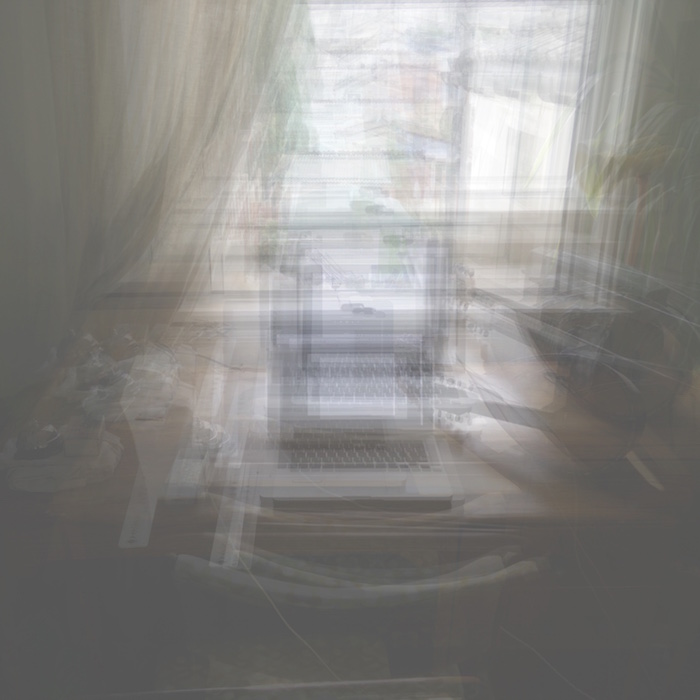
Luke Nickel has spent the past couple of months making a realisation of my piece overlay (with transience). The piece asks the performer to make a specified number of sounds throughout a 15-minute duration. The performer makes many additional recordings over a period of months, each time attempting to match what was played the first time, but without reference to any of the previous recordings. The piece actively explores the performer’s memory, and especially the way in which transience–how we forget information over time–shapes the resultant sequence of sounds. The final recording is a trace of this process. This version was recorded by Luke Nickel…
-
assigned #9 performed in Helsinki
Here’s a video of UMUU performing assigned #9 in Helsinki last week (on my birthday!). This is one of the older versions of #[unassigned] I’ve made available for re-performance in my assigned series. Originally this was made for ensemble recherche and performed at their 20th birthday celebrations in Freiburg in 2005. The performance last week uses my original dictaphones, which are just about still functional, so there may even be a trace of the original material there somewhere.

-
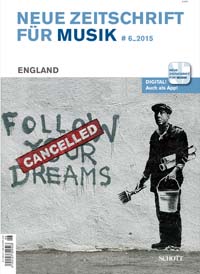
portrait in Neue Zeitschrift für Musik
Stefan Drees has written a short portrait article about my recent work in Neue Zeitschrift für Musik. The article includes views on work by me, Luke Bedford and Stephen Daverson as part of the issue’s focus on music in the UK. I’m pleased to see it focuses on my recent investigation of group behaviours, and he makes some insightful observations about the things to do pieces. I was struck by the introduction to the article which describes the UK new music scene, when viewed from a distance, as “ideology free”. I guess that could be understood in a number of ways but…
-
slightly preposterous titles
I’ve just made a couple of new pieces in my series things to do and the semi-descriptive titles I’ve been using recently are, perhaps, getting a little cumbersome. The two new pieces are titled we cannot say the things we are allowed to do and we gradually have more things to do and fewer things to say. They do the job though, describing the process the players go through when verbally cueing each other to make sounds. This is not the first time I’ve made pieces with titles that are hard to remember. In my earlier series divisions that are autonomous but that comprise the…

-

-
like you and like you at Cut and Splice
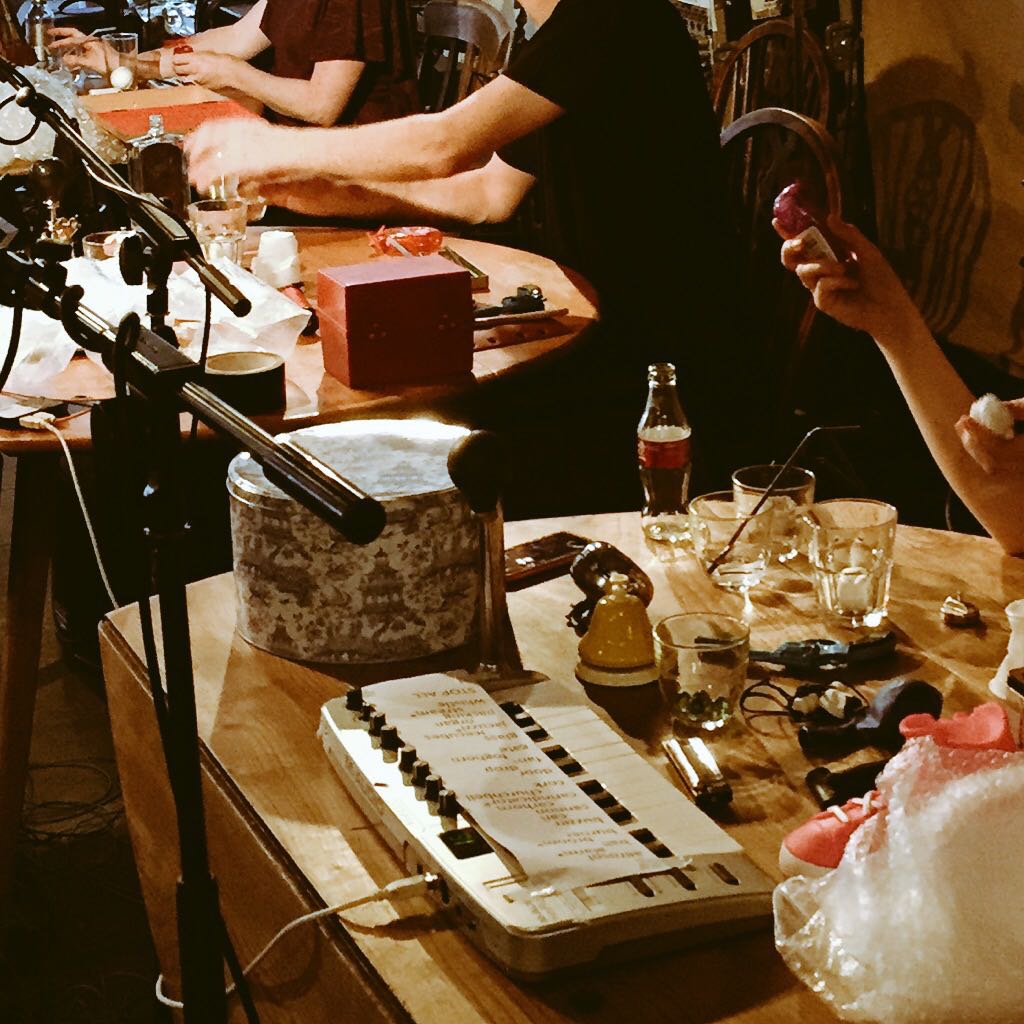
Now it’s been broadcast on Hear and Now, I am sharing the video of the performance of my new piece like you and like you from last week’s Cut and Splice festival at Cafe Oto. The festival was curated by Joanna Bailie and co-produced by Sound and Music and BBC Radio 3 (and there’s a great video sampler of both concerts here). Plus Minus as ever did a fantastic job, and it was lovely to work with Vicky, Mark and Alice on the piece, as well as collecting the very specific instruments required. It’s odd to listen back to it on…
-
another new cd
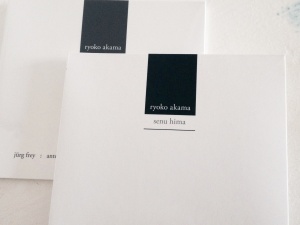
Ryoko Akama has just released a new cd, senu hima, on melange edition containing a new piece I wrote for her alongside work by Sarah Hughes, Jürg Frey and Antoine Beuger. My piece, overlay (with transience), is specifically for a recorded realisation. It asks the performer to make a specified number of sounds throughout a 15-minute duration. The performer makes many additional recordings over a period of months, each time attempting to match what was played the first time, but without reference to any of the previous recordings. The piece actively explores the performer’s memory, and especially the way in which transience–how we forget…
-
some new pieces at Cut and Splice
I’ve finally finished a new piece for Plus Minus for this year’s Cut and Splice at Cafe Oto. It’s a trio for Mark Knoop, Vicky Wright and Alice Purton with sampling keyboards and many objects. The piece – like you and like you – explores imitation and decision making in a slightly different way to some of my other group behaviour pieces as there’s no verbal communication this time. Players copy actions and sounds made by other ensemble members while initiating their own, but the difference between some of the sounds is not always particularly clear, making them hard to imitate. In…

-
KNM Berlin know what to do
KNM Berlin are playing a new piece in my series things to do in Cottbus next month. The rather wordily titled we do what you say and say what to do is similar to last year’s you say what to do, but the players also give each other instructions in addition to those supplied by the assistants. I’m expecting this to create some slightly more factionalised results, but let’s see. The performance will take place as part of KNM Berlin’s residency at the kulturradio Galerienwanderung, and there will be three versions performed, working with the KNM Campus Ensemble as the volunteers. We’re also doing…

-
#26: Christoph Nicolaus / Carlo Inderhees – garonne · für sich
(1997) www.wandelweiser.com: Christoph Nicolaus | Carlo Inderhees

-

-
a new cd
My new CD on Another Timbre arrived in the post today. I have lots of them and if you would like to buy one then perhaps click the link below, or do exactly the same thing at the Another Timbre website. Now there’s a decision for you.
-
all voices are heard (but not necessarily seen)
One of my new pieces, all voices are heard, was performed at Goldsmiths in London on 6 June as part of the Music and/as Process event. I was very pleased to be joined by Richard Glover, John Lely, Luke Nickel, Tim Parkinson, Mira Benjamin and Scott McLaughlin, although we didn’t quite manage to point the camera in the right direction so you’ll have to imagine the rest of Scott (and his performance shirt). The piece explores consensus decision making. The idea is that the players all have the same set of sounds which they must order into a sequence, and then…

-
Evan Parker interview
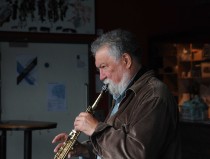
Finally, here is the Evan Parker interview from the Ashgate book. I was really pleased he agreed to be involved as seeing him play for the first time was one of those moments where things change. He was doing a workshop in Huddersfield and it’s fair to say I was not expecting the torrent of circular breathing multiphonics that ensued. I still love it. This concludes the uploads of the Ashgate interviews. I’m pleased to see they are getting some exposure now that they are more widely available. It’s made me think what to do next, so I feel it’s probably time…
-
Bryn Harrison interview
It’s perhaps good timing that I saw Bryn yesterday in London at the Music and/as Process conference at Goldsmiths where he was the keynote speaker. He gave a great talk on wayfaring and music, followed by some wonderful playing by Mark Knoop of his extended piano piece Vessels. So it seems apt to upload the interview I did with Bryn in 2005-6 today. Although his music has changed somewhat since then, as with all of these interviews there are some clear threads that can be followed through into his recent work. We had a great day and it was lovely to…

-
Interview for Another Timbre
Dominic Lash interviewed me a couple of weeks ago for the Another Timbre website in advance of the release of the CD I made with Apartment House in April. It’s a new assigned piece, and Dom and I discussed how it was made and its relationship with what I am doing at the moment. The CD comes out soon I think, and the interview is here

-

-

-
Manfred Werder interview
The interview with Manfred followed our first meeting in London during one of my regular trips down from Huddersfield while my wife was doing a postgrad at the RCM. Manfred was there for six months on a residency, and Tim and I met up with him in a bar in Whitechapel to discuss his work. I’d found out about the Wandelweiser composers just before then, and was very pleased to meet Manfred shortly afterwards. It’s been fascinating to see the way his work has developed since this interview, moving more towards abstraction in the way the scores are constituted, and…

-
you say what to do in Barcelona
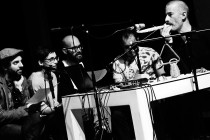
Mark Knoop and Serge Vuille performed you say what to do at Festival Mixtur in Barcelona last month. There are some lovely photos by Aga Miley on the website. Looks like everyone was having fun.
-

-

-
Bernhard Günter interview
There are a few more interviews still to add, and here’s the email discussion with electroacoustic composer Bernhard Günter. At the time of the interview Bernhard’s work was moving more toward improivisation, so the interview covered both this aspect of his work and the quiet electronic music for which he was perhaps better known at the time. He added a postscript after completing the interview which provides some more context.

-
#20: Louis d’Heudieres – for Michael, Peyee and Rodrigo on 19/04/2015
(2015) www.louisdheudieres.com

-

-

-
#17: G. Douglas Barrett – A Few Silence (location, date, time of performance)
(2007) gdouglasbarrett.com

-
Christopher Fox interview
It was perhaps quite odd to interview Christopher, as he was both a colleague and my PhD supervisor. We’d talked informally about each other’s work, so I wanted to create a record of these exchanges as part of the interview project. Some ten years later Chrsitopher still manages to display an extraordinary range in his work, and it’s that incessant invention that I’m still drawn to. You can read the interview here.

-

-

-
Parkinson Saunders sing some songs
Tim has uploaded the recordings we made of some of his songs last year in Bath. This is the first set, songs 2011, that we have performed a few times, and there’s also a second set of five, songs 2012, that we’ve just recorded. Not sure we’ll try those live just yet, although we do get to play electric guitars and comment on Elton John songs. The texts are mostly harvested from market research questionnaires and use a large collection of found objects as percussion instruments.

-

-

-

-
Phill Niblock interview
This is the interview I did with Phill in 2007. I rang him from Huddersfield using the biggest piece of conference call technology I’ve seen – completely preposterous corporate boardroom style. As with all the interviews, I wanted to know more about how Phill worked, and in his case in particular I was curious about the decisions he made as well as the technical process. I’d met him for the first time in Ostrava in 2001. Bryn Harrison, Tim Parkinson and I soaked up a morning (Niblock in the morning!) of non-stop 115 dB and then dragged Phill into a…

-

-

-

-

-

-

-
#5: Cassandra Miller – Bel Canto
[audio:http://cassandramiller.files.wordpress.com/2010/04/bel-canto.mp3] (2010) cassandramiller.wordpress.com

-

-

-
#2: Joanna Bailie – Artificial Environment #3
[audio:http://joannabailie.com/files/8513/2558/4723/AE3_live.mp3] (2011) www.joannabailie.com

-
playlist
I decided to start this list on 17 October 2014 while driving home after hearing Rie Nakajima play at Cafe Kino in Bristol. Originally I was building it on a separate site but have decided to move it here as it makes more sense. For some time I’d been formulating a view that there has been a real shift in new music over the past ten years towards a more communicative and immediate type of work. It’s hard to define, and in a sense this list does that without needing to explain I hope. The work is engaging for me, provokes a…
